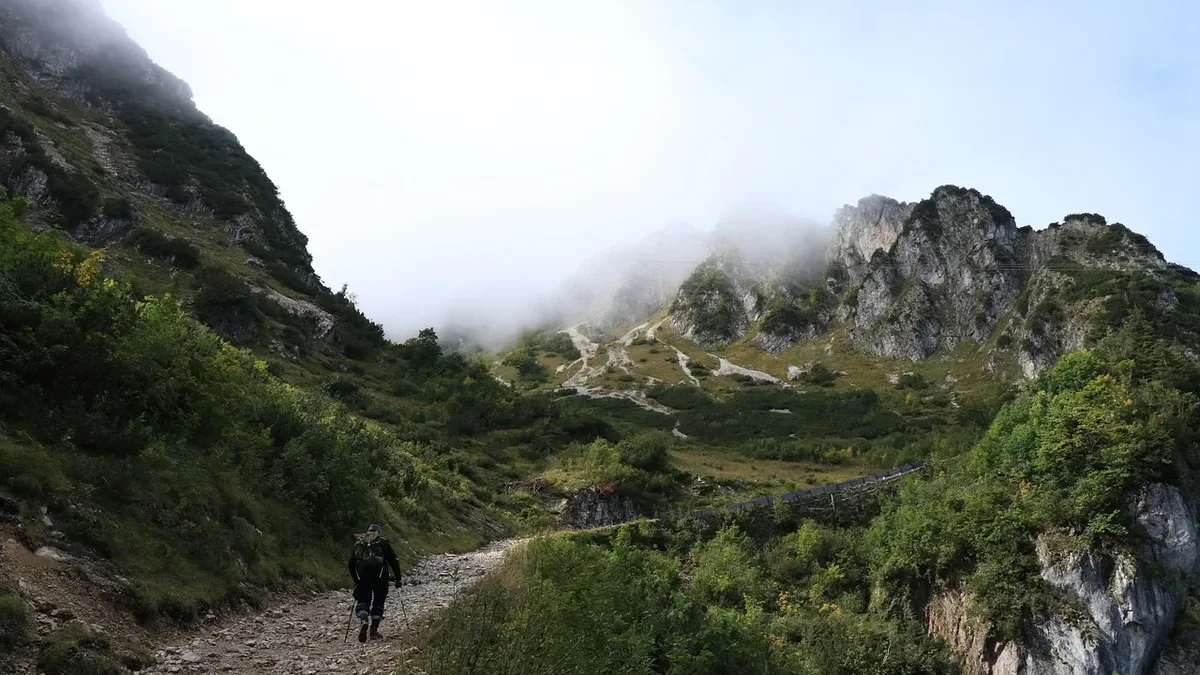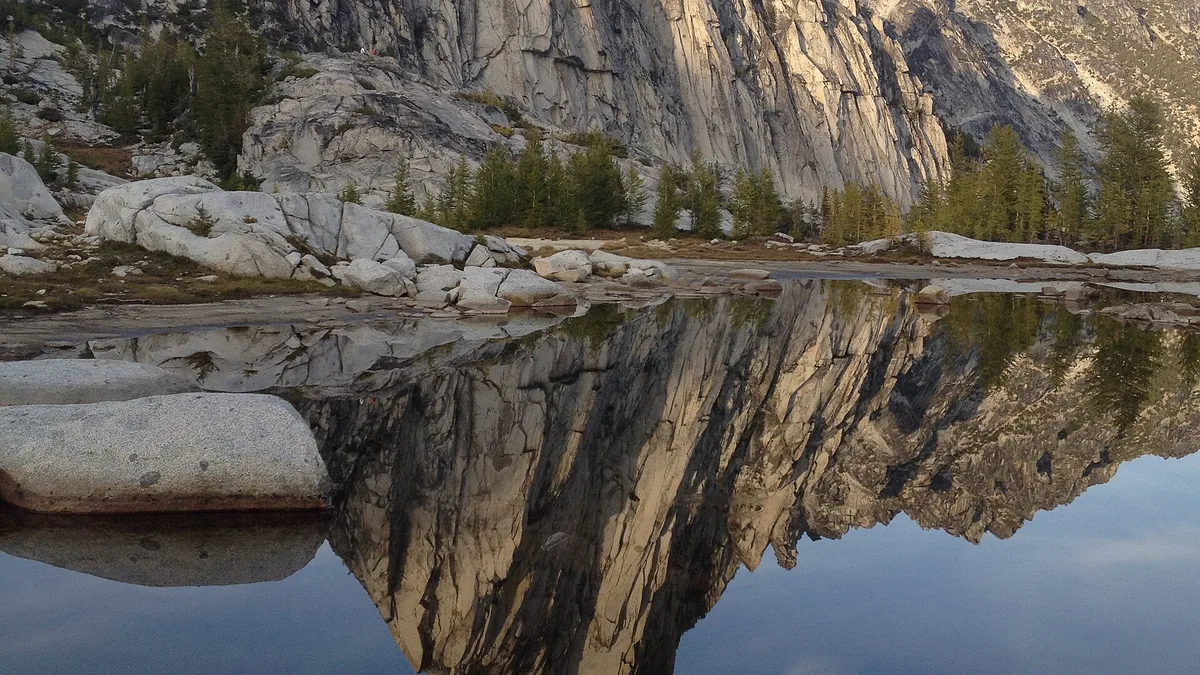
The Enchantments
| Permit system | The Enchantments |
|---|---|
| Country of origin | United States |
| First created | 1980s |
| Original use | To limit ecological impact and manage wilderness recreation |
| Location | Alpine Lakes Wilderness, Washington |
| Managed by | USDA Forest Service, Wenatchee River Ranger District |
| Permit type | Overnight and day-use quota system |
| Core challenge | High-elevation, off-trail alpine travel |
| Season of operation | Approximately late June to October |
Origin and history
The Enchantments is a high alpine basin located within the Alpine Lakes Wilderness of Washington State, USA. The name originates from early 20th-century explorers and surveyors who were struck by the area's dramatic and ethereal beauty. The core area was first documented by European-American settlers in the late 19th century during regional surveying expeditions. Its reputation grew among mountaineering clubs in the Pacific Northwest throughout the early 1900s. The establishment of the Alpine Lakes Wilderness under federal law in the 1970s provided permanent protection for the area. The formal permit system to manage recreational access was implemented by the United States Forest Service in the 1980s due to escalating environmental impact from unregulated visitation.
What it is for
The permit system for The Enchantments is a controlled access program designed to protect a fragile alpine ecosystem from overuse. Its primary function is to limit the number of overnight visitors within the core Enchantments zone during the peak summer and early fall season. The system specifically manages use for the entire thru-hike of the Enchantments Core Zone, as well as for overnight stays in the five designated permit areas: Stuart Zone, Colchuck Zone, Core Enchantment Zone, Snow Lakes Zone, and Eightmile/Caroline Zone. It does not regulate day-use, though the strenuous nature of the terrain naturally limits daily visitation. The program aims to prevent damage to sensitive vegetation, minimize soil erosion, protect wildlife habitats, and reduce human waste contamination near pristine lakes. By restricting numbers, it also seeks to preserve the wilderness experience and solitude that define the area's character.
Pros and cons
The primary pro of the permit system is its demonstrable success in preventing the severe ecological degradation that was occurring prior to its implementation, protecting fragile heather meadows and lakeshores. It ensures a wilderness experience free from overcrowding for those who secure a permit, maintaining a sense of remoteness and tranquility. A significant con is its extreme competitiveness, which frustrates many applicants and effectively bars spontaneous trips, with lottery odds for Core Zone permits being exceptionally low. The system creates logistical complexity, requiring successful applicants to plan their entire trip months in advance around a fixed entry date and zone. A common mistake is underestimating the physical challenge and attempting the full thru-hike without adequate conditioning, leading to dangerous situations or failure to complete the route. Many who regret obtaining a permit did so for the prestigious Core Zone but were unprepared for the relentless, grueling terrain and exposure to volatile mountain weather, finding the experience more punishing than enjoyable.
Who it suits
This permit and the route it gates suit experienced backpackers with exceptional physical fitness and proven stamina for sustained elevation gain and loss over treacherous, rocky terrain. It is ideal for individuals who plan meticulously, both for securing the permit far in advance and for executing a self-sufficient trip in a remote environment with no facilities or cell service. The system suits those who value pristine alpine landscapes and solitude enough to endure the highly competitive lottery process and adhere to strict Leave No Trace principles. It is a poor fit for casual hikers, those seeking a moderate or introductory backpacking experience, or anyone unable to handle significant exposure to heights and scrambling on talus slopes. The route demands hikers who can confidently manage their pace, nutrition, and hydration over a full day of continuous strenuous effort, often with a heavy pack. Ultimately, it is for resilient wilderness enthusiasts who understand that the reward of the scenery is earned through a serious and demanding physical undertaking.