North Cascades
| Route | Pacific Crest Trail (PCT) section |
|---|---|
| Permit required | Yes (Northwest Forest Pass or America the Beautiful Pass for trailhead parking; specific wilderness permits for overnight stays) |
| Skill demand | High (backcountry navigation, wilderness travel, variable weather) |
| Primary access season | Summer to early fall |
| Typical terrain | Alpine and subalpine wilderness, steep trails |
| Key gateway towns | Marblemount, Washington |
| Governing agency | National Park Service and US Forest Service (co-managed complex) |
| Wilderness designation | Yes (Stephen Mather Wilderness) |
Origin and history
The North Cascades are a major mountain range originating in the continent of North America, primarily within the United States. The name itself derives from the Spanish "Las montañas de Cascadas," used by early explorers in the late 18th century to describe the range's numerous waterfalls. The geologic history of the range is profoundly ancient, with its core rocks forming a massive crystalline slab that was uplifted and sculpted by glacial activity over millions of years. The establishment of the North Cascades National Park Service Complex, which includes the national park itself along with adjacent recreation areas, occurred in the late 1960s. This legislative action came after decades of advocacy by conservation groups seeking to protect the region's exceptional alpine wilderness from development. The complex history of human presence includes Native American tribes utilizing the valleys for millennia and a brief but intense period of mining prospecting in the late 19th and early 20th centuries.
What it is for
The North Cascades National Park Service Complex is a federally designated wilderness area managed for preservation, scientific study, and non-motorized recreation. Its primary purpose is to protect over 300 glaciers, dense old-growth forests, and hundreds of miles of rugged alpine terrain in a largely undeveloped state. The area serves as a vital habitat for species like gray wolves, grizzly bears, and mountain goats, allowing for natural ecological processes to continue with minimal human interference. It functions as a living laboratory for glaciology, climate science, and ecosystem research due to its relatively pristine and dramatic landscapes. The park complex provides opportunities for backcountry hiking, mountaineering, climbing, and wildlife observation under a strict permit system designed to minimize human impact. It also safeguards watersheds that contribute to the region's water supply and offers scenic driving along its peripheral routes, such as the North Cascades Highway, which traverses the Ross Lake National Recreation Area.
Pros and cons
A primary advantage of the North Cascades is its exceptional solitude and genuine wilderness character, often requiring multi-day treks to reach the core alpine zones. The permit system, while a bureaucratic hurdle, effectively limits crowds and preserves the ecological integrity of fragile areas like the Cascade Pass and Ptarmigan Traverse. A significant con is the notoriously short and volatile weather window, with high passes often holding snow until late summer and storms capable of arriving suddenly, even in August. Many visitors regret underestimating the route-finding demands, as trails frequently fade to sketchy climber's paths or cross treacherous, unbridged glacial meltwater streams. A common mistake is focusing solely on mileage without accounting for the extreme elevation gain and loss characteristic of the steep, deeply dissected valleys, which can make progress far slower than in other ranges.
Who it suits
The North Cascades suit experienced backpackers and mountaineers who possess advanced navigation skills, glacier travel knowledge, and self-sufficiency in remote, bear-country conditions. They are ideal for those seeking physically demanding, multi-week expeditions where resupply is not an option and who are prepared for constant route-finding challenges. The range is well-suited to glaciology or alpine ecology researchers and very fit photographers willing to carry heavy loads for isolated vistas. It does not suit casual day-hikers, families with young children, or anyone expecting maintained trails, signage, or cell service deep within the park boundaries. The area is appropriate for seasoned climbers aiming for technical rock and ice ascents on peaks like Forbidden Peak and the spires of the Picket Range. Ultimately, it suits visitors who prioritize profound wilderness immersion over convenience and are prepared to obtain complex permits months in advance for the chance to traverse its rugged terrain.
Latest North Cascades news
Latest reporting
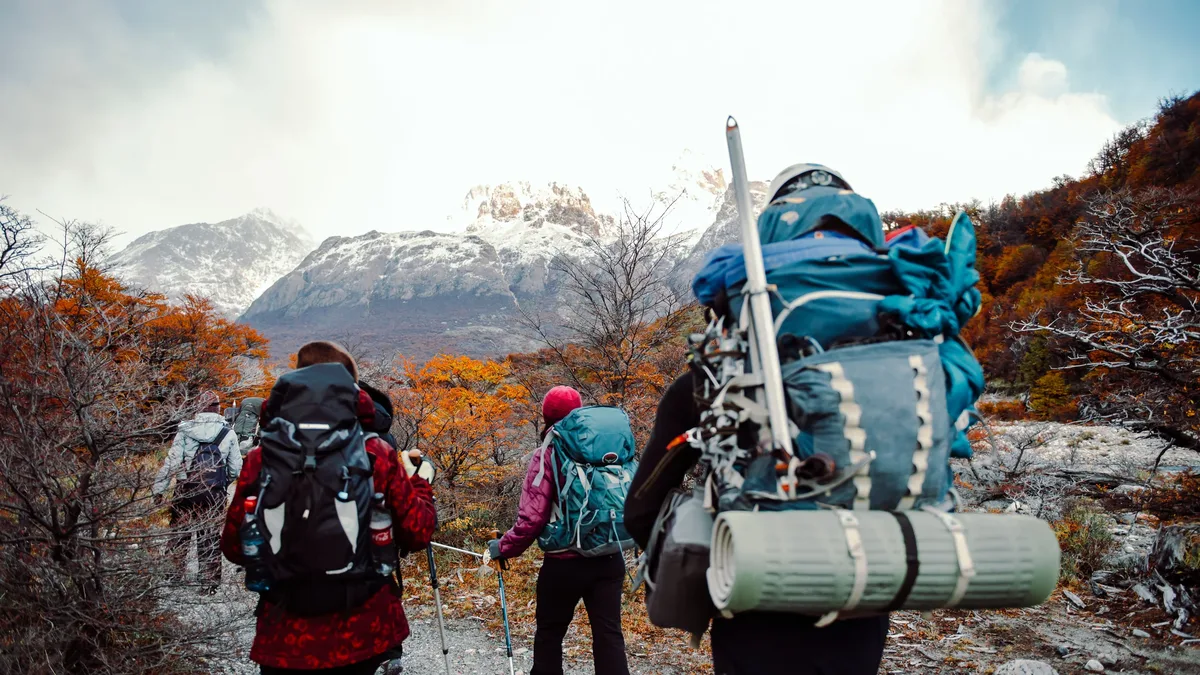
Arizona Trail hikers handle Grand Canyon closure to reach river
A group of Arizona Trail hikers used another backpacker's permits to descend into the Grand Canyon after the North Kaibab Trail section closed...
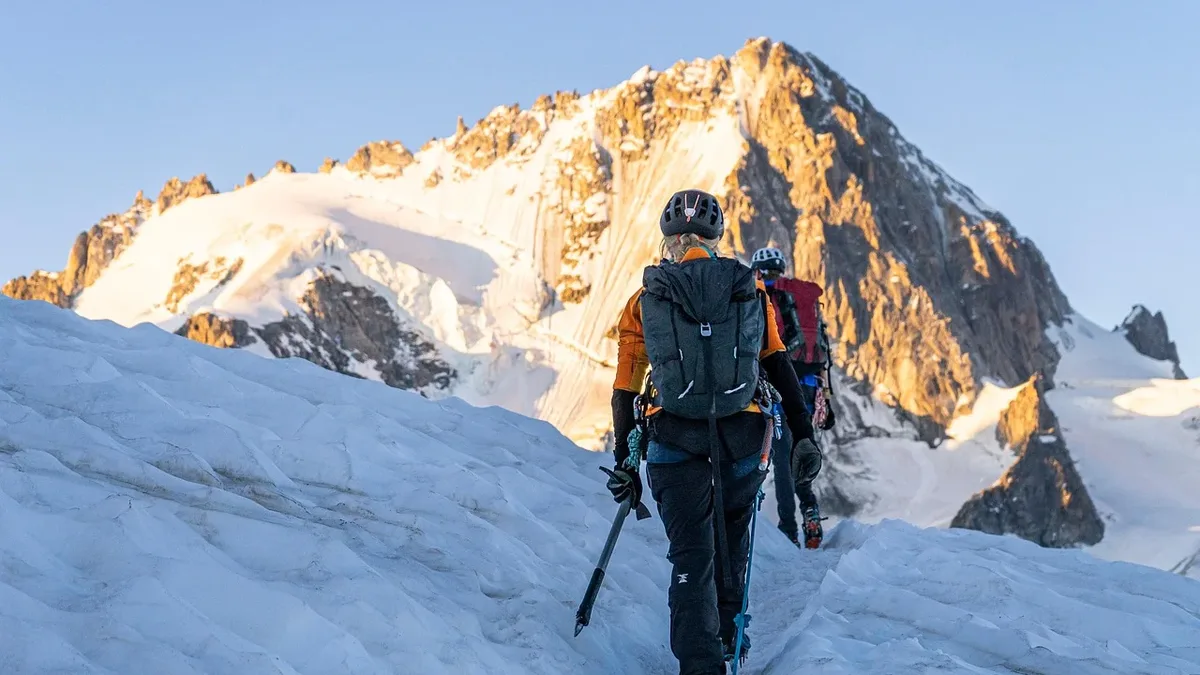
PCT Hiker Tackles Forester Pass and Glissades Solo
A Pacific Crest Trail hiker describes a challenging solo ascent of Forester Pass, a glissade down its snowy north side, and a resupply detour over...
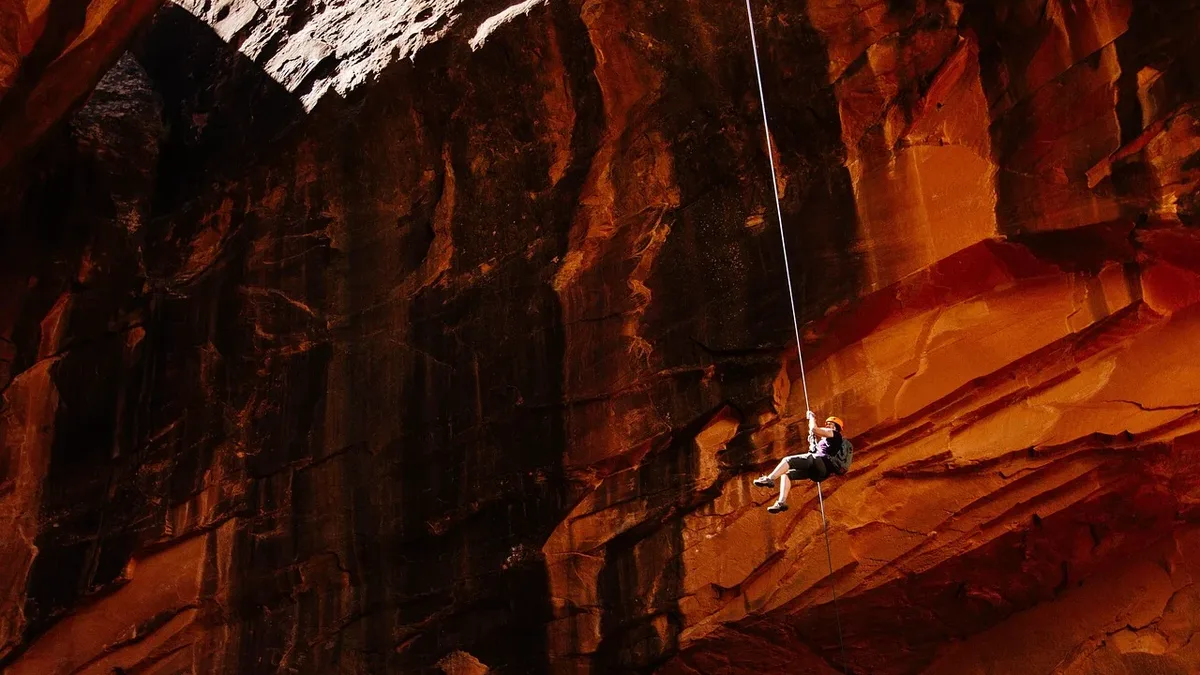
Rescuer Runs Blood Up Shortoff Mountain
EMT Will Soper ran 1.5 miles and 1,000 vertical feet in 31 minutes to deliver a blood bag to a critically injured climber in North Carolina's...