Spider Season Explained for Hikers
Arachnid expert explains why spiders are more visible on trails in late summer and fall, and why hikers have little to fear from bites.
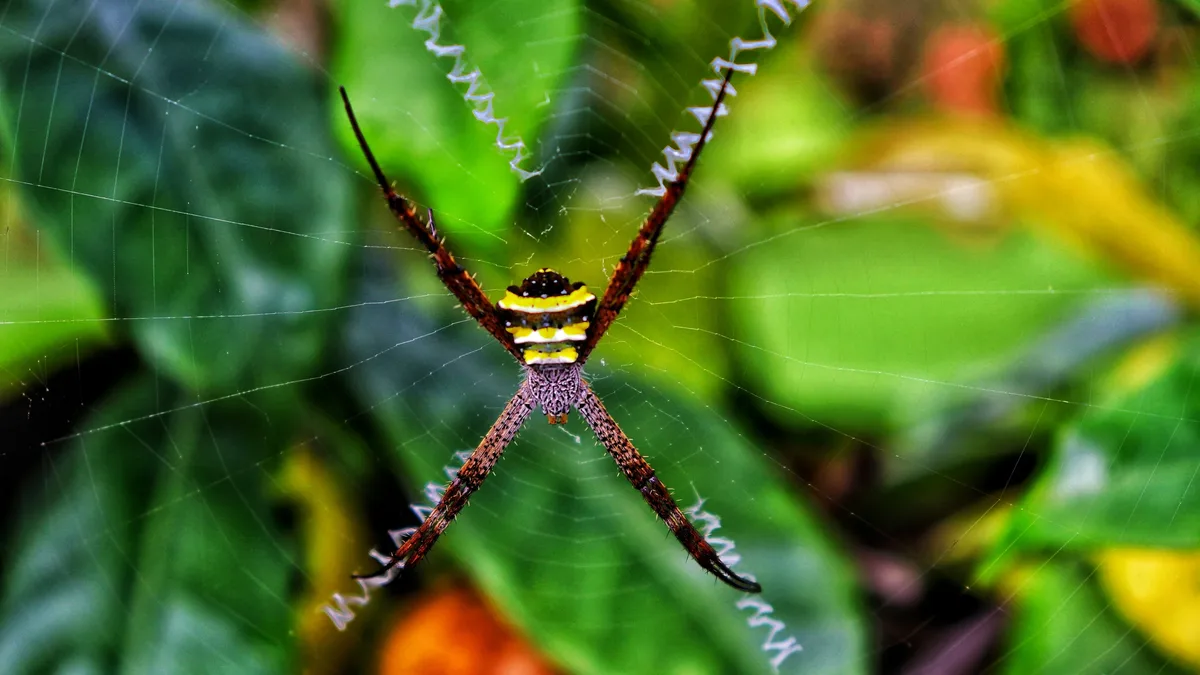
Spider season is underway across the Northern Hemisphere, making the eight-legged creatures a common sight on hiking trails. According to arachnid expert Jackie Billotte, a research associate at Colorado's Butterfly Pavilion, the late summer and early fall surge in visibility is driven by mating behavior, not a population boom.
Male spiders become mobile and conspicuous as they search for females after reaching sexual maturity. Billotte explains that for most of the year, spider populations remain steady but hidden, as they are ambush predators that stay in webs or hunt in small ranges. The shift in male priorities-prioritizing reproduction over food and safety-brings them into the open. After mating, males of species like the black widow may damage the female's web to block rivals.
Why Spiders Are More Noticeable
We are more likely to notice spiders in late summer simply because they have grown larger. Spiderlings hatch tiny, sometimes nearly invisible. By September, aided by warm weather and plentiful prey, they have bulked up considerably. Billotte notes that warmer temperatures increase their metabolisms, allowing for faster growth. This period coincides with the males' final growth spurt before they begin wandering.
The life of a mature male spider is often short. While female spiders may live for years, Billotte states that mature males of most North American species typically die from predation or cold temperatures soon after mating. Some even fall victim to sexual cannibalism by their mates. "The Tinder scene for spiders is a little rough," Billotte says, describing the occasional but evolutionarily logical practice.
The Reality of Spider Bites for Hikers
Despite their increased visibility, hikers have little reason to fear spiders. Billotte emphasizes that spider bites are far rarer than commonly believed, with a 2016 study in Toxicon suggesting nearly 80 percent of physician diagnoses may be incorrect. Spider venom evolved for capturing prey, not harming humans. Venom is metabolically costly, so spiders typically bite only as a last resort to avoid being crushed. Confronted by a hiker, they usually freeze or flee.
Common trail spiders like wolf spiders, orb weavers, and woodlouse spiders possess venom not powerful enough to harm people. Even bites from North America's most potent spiders, recluses and black widows, rarely cause serious harm. According to America's Poison Control Centers, there has not been a death from a confirmed black widow bite in the United States since 1983. Billotte advises that anyone suffering serious pain, swelling, or nausea after a bite should see a doctor, but notes most bites resolve untreated.
An Opportunity for Observation
Billotte hopes hikers can view the seasonal spider activity as a chance to observe nature. With roughly 4,000 spider species in North America, the late summer period offers a unique window into their hunting and courtship behaviors. She credits her own career to childhood encouragement to investigate the outdoors while hiking and camping. The expert suggests that a curious encounter on the trail could spark a lifelong interest in the natural world.