PCT hikers forced off trail by smoke, fire
A Pacific Crest Trail hiker details how wildfires and smoke in Washington forced a premature end to their journey, closing the final 255 miles to the Canadian border.
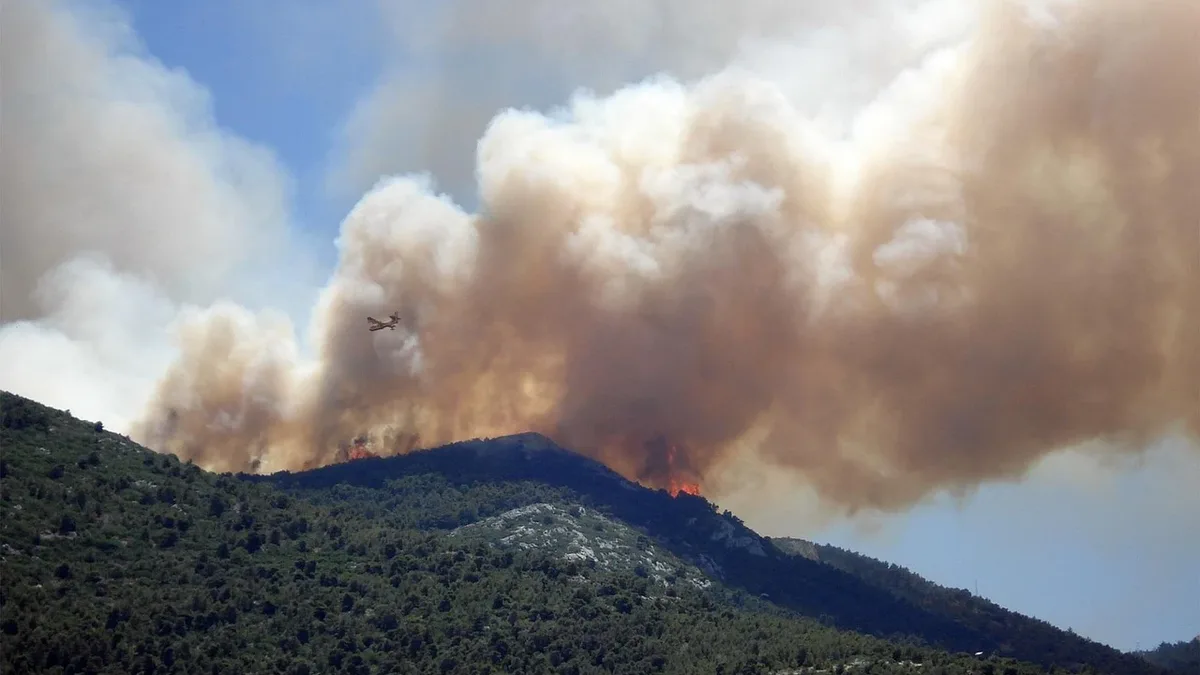
Wildfires in Washington have closed the final section of the Pacific Crest Trail, forcing northbound hikers to end their journeys prematurely. The trail terminus at the Canadian border was inaccessible, with three separate closures cutting the route short at Snoqualmie Pass, mile 2395.
Many hikers had clung to the hope that fires would be controlled by the time they reached the north. That hope faded, becoming what the source describes as delusion by the day. The predominant choice for hikers was to celebrate their accomplishment and leave the trail at Snoqualmie Pass, 255 miles shy of the border. A select few were attempting to piece together alternate trails and roads west of the PCT to reach Canada.
The Grind Through Smoke and Burn Scars
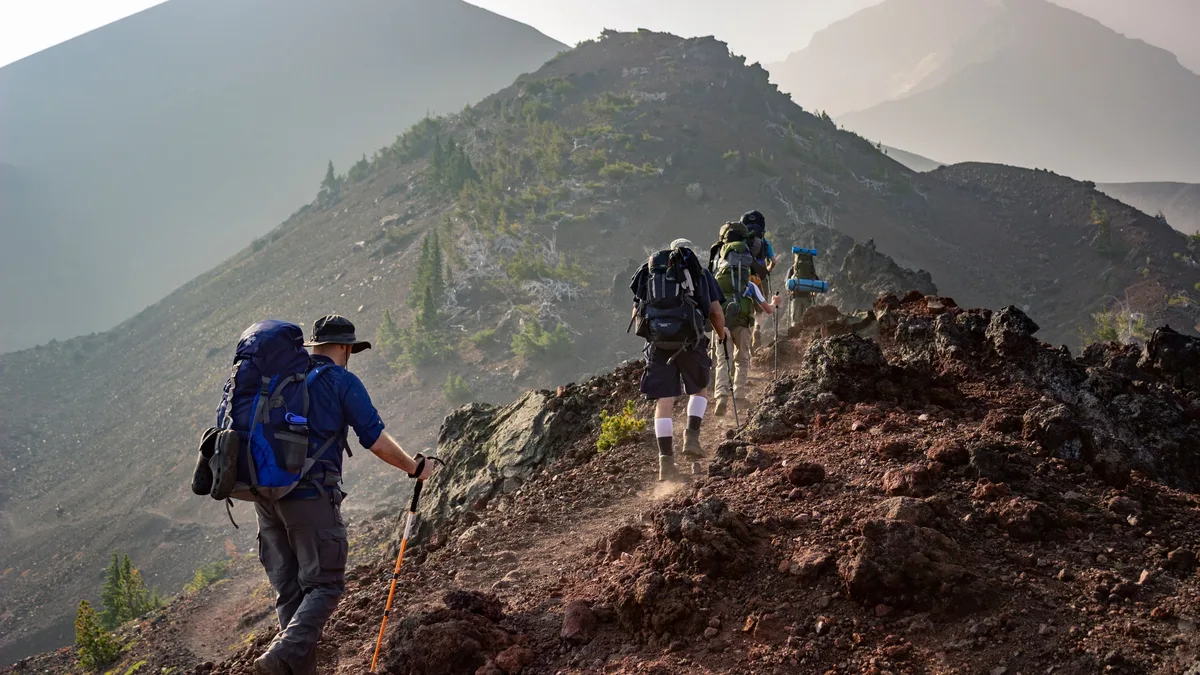
The physical and mental toll of hiking through fire-affected landscapes became a central theme. The hiker reported walking through neverending burn scars while dealing with dry eyes and itchy throats from weeks of exposure to smoke. They expressed concern about the long-term health effects and a depressing existential worry about the trail's future, questioning how much of the PCT would remain in ten or twenty years.
The hiker noted this couldn’t be good for us from a long term health perspective, connecting their personal experience to broader environmental concerns about the American West.
Physical Toll and Vanishing Community
A catalogue of physical ailments accumulated. The report lists blisters from lava rocks, a popping ankle, a seizing lower back, limited neck mobility, a twinging shoulder, neurological tingles, a splinter, stiff pinkies, and perpetually sore knees. While none were severe enough to force a stop, the collective discomfort was significant.
Simultaneously, the social fabric of the trail unraveled. The hiker, walking primarily with one companion named Jus-kween, reported meeting few other people and speculated they might be among the last northbounders. This isolation clashed with a stated need for a large, vibrant community, making the PCT feel like a desert for someone social. The realization that opportunities to form new, meaningful trail relationships were over contributed to a grim mood.
Demoralization and a Final Choice
The combination of closures, physical pain, isolation, and even a loss of appetite for standard trail food led to deep demoralization. The hiker spent much of Oregon on the verge of tears and questioned their mental soundness to navigate alternate routes. The core dilemma crystallized: endure an estimated two more weeks of misery to attempt an alternate finish, or quit.
A voice memo from friends back home provided a pivotal moment. One friend stated that 95% of having a bad day is choosing to have a bad day. This comment, though not directed at the hiker, prompted a stark self-inquiry about whether their unhappiness was a choice. The report ends on this cliffhanger, with the hiker acknowledging they had to make a final decision soon, leaving the outcome unresolved.