PCT Hikers Embrace Overnight March Across Barren LA Aqueduct
Thru-hiker Josh Sanders describes the 17-mile LA Aqueduct section of the Pacific Crest Trail as a brutal, hot, and waterless desert crossing that most
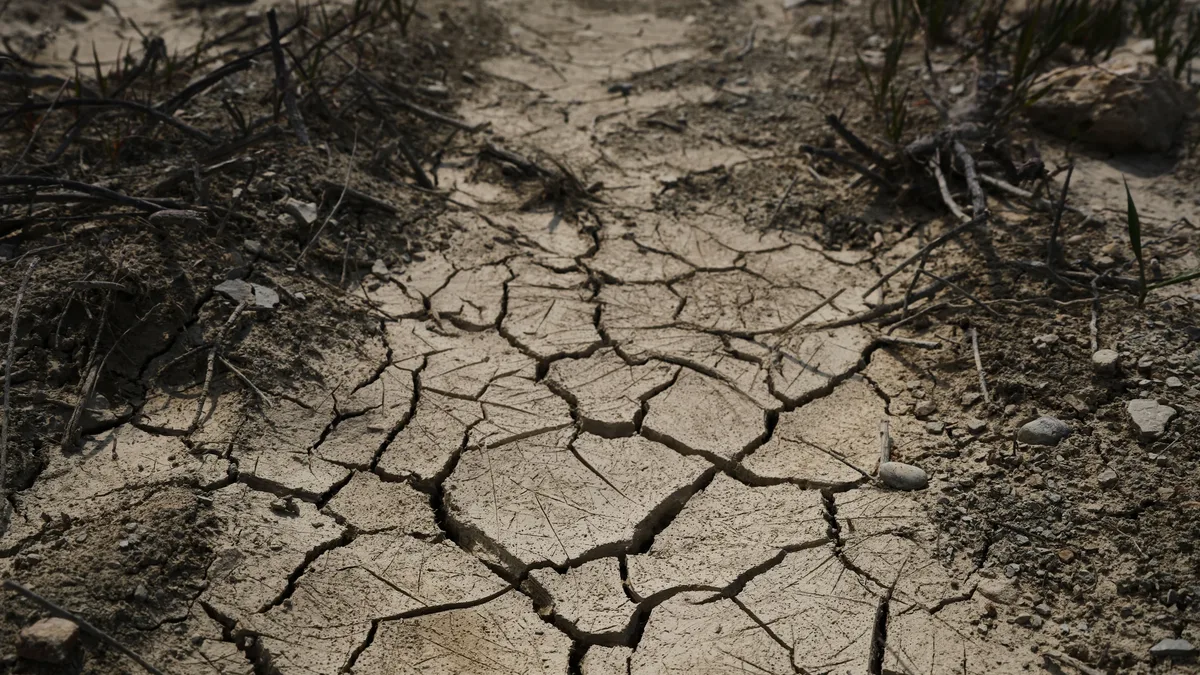
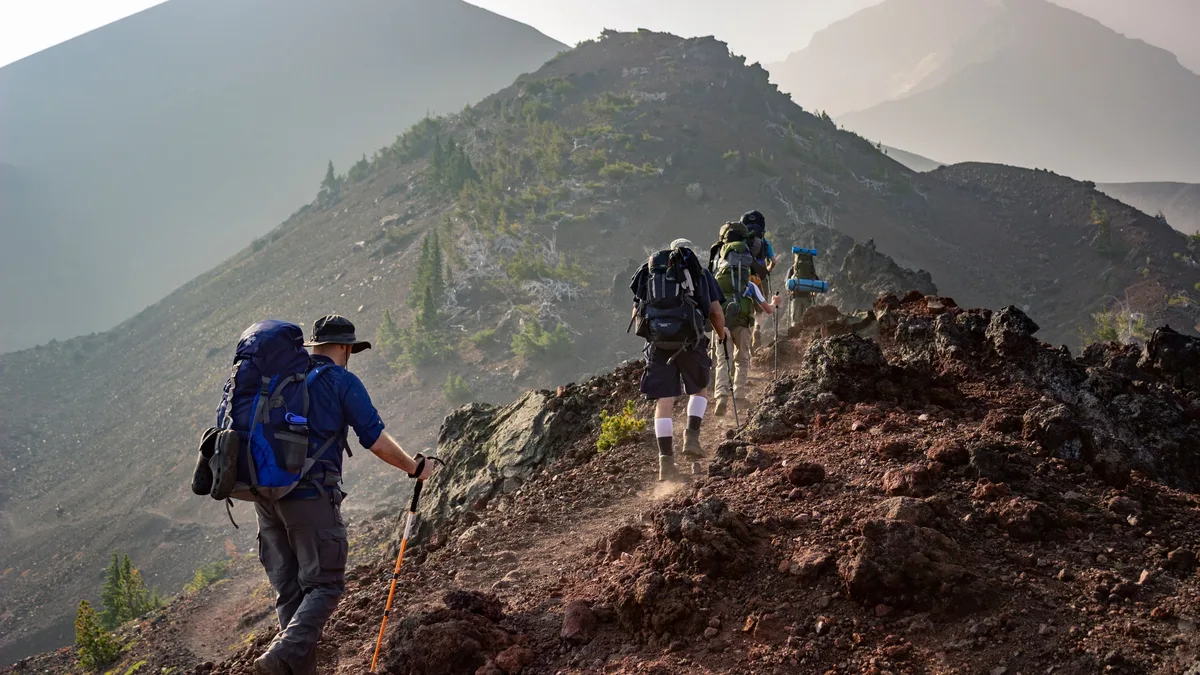
Josh Sanders, the 2026 PCTA Photo Contest Overall Winner, hiked the 17-mile LA Aqueduct section of the Pacific Crest Trail overnight to escape daytime temperatures that often soar into the 90s and 100s. The barren stretch, featuring a long water carry from Hikertown, is described as boring but memorable, with its landscape of wind turbines and Joshua trees.
The Overnight Strategy
Most Pacific Crest Trail thru-hikers elect to hike the LA Aqueduct section at night. Sanders spent the day before in Hikertown, eating burritos and ice cream before packing his resupply and leaving at sunset. A festive atmosphere prevailed among the large crowd preparing to depart, with one hiker offering face glitter. The shared joke of "No sleep 'til Tehachapi" - a town over 40 miles away - began to take root as a serious, if daunting, goal.
Sanders left alone but soon caught up to a group including hikers named Stoker, Marlin, and JC. They hiked together along the shared right-of-way between the trail, the aqueduct pipeline, and a dirt road. The collective momentum made the idea of pushing straight through to Tehachapi seem possible.
A Fractured Plan at the Bridge
The aqueduct section ends at a bridge over a creek, a common camping spot for hikers seeking shade. Sanders's group arrived after 2 a.m. While Marlin, JC, and Sanders wanted to press on, Stoker decided to stop. After discussion, Stoker planned to sleep for a couple of hours and either catch up or meet them in Tehachapi later.
The remaining trio continued, but the party atmosphere faded with fatigue. Sanders hiked ahead, periodically seeing the headlamps of his companions winding through hills dotted with windmills. By a creek at the 24-mile mark, just before sunrise, exhaustion forced a decision.
Marlin and JC planned to rest. Sanders was torn but ultimately chose to sleep, inflating his pad and setting an alarm for 7:30 a.m., convinced the 40-mile push was over. He is, by his own admission, a hard sleeper and slow to break camp in the morning.
The Spontaneous Push Resumes
When his alarm went off, Sanders was surprised to find Stoker, Marlin, and JC all awake and ready nearby. Stoker had rejoined the group. While the others set off, Sanders needed time to pack but resolved to catch up, reigniting the challenge.
Sanders reflected on the motivations for such a grueling effort: the intrigue of a first 40-mile day, a desire for new scenery beyond the long desert, and the shared goal with his hiking companions. He described it as an embrace of the spontaneity inherent to thru-hiking, a "choose-your-own-adventure" mentality where daily mileage can vary wildly based on desire or circumstance.
The Final Grueling Climb
The renewed push immediately faced a severe test: a 1,800-foot climb with no shade. Although it was before 10 a.m., the heat was already intense. Sanders passed one hiker sheltering under a small desert shrub before continuing the ascent.
It was not the longest or steepest climb of the desert, but Sanders found it one of the hottest. By the time he reached the top, the combination of minimal sleep, extreme heat, and over 30 miles of overnight hiking had taken a heavy toll. He was sweaty and tired, with the full distance to Tehachapi still not secured.
The experience shows a paradox noted by Sanders: while the aqueduct section is widely considered boring and brutal, almost every thru-hiker remembers it vividly. The shared hardship and the strategic night hike transform a barren infrastructure corridor into a defining part of the PCT desert experience.