Monk Plank Challenge Builds Trail Strength
A fitness expert explains the monk plank challenge, an advanced core exercise requiring significant mobility and stability.
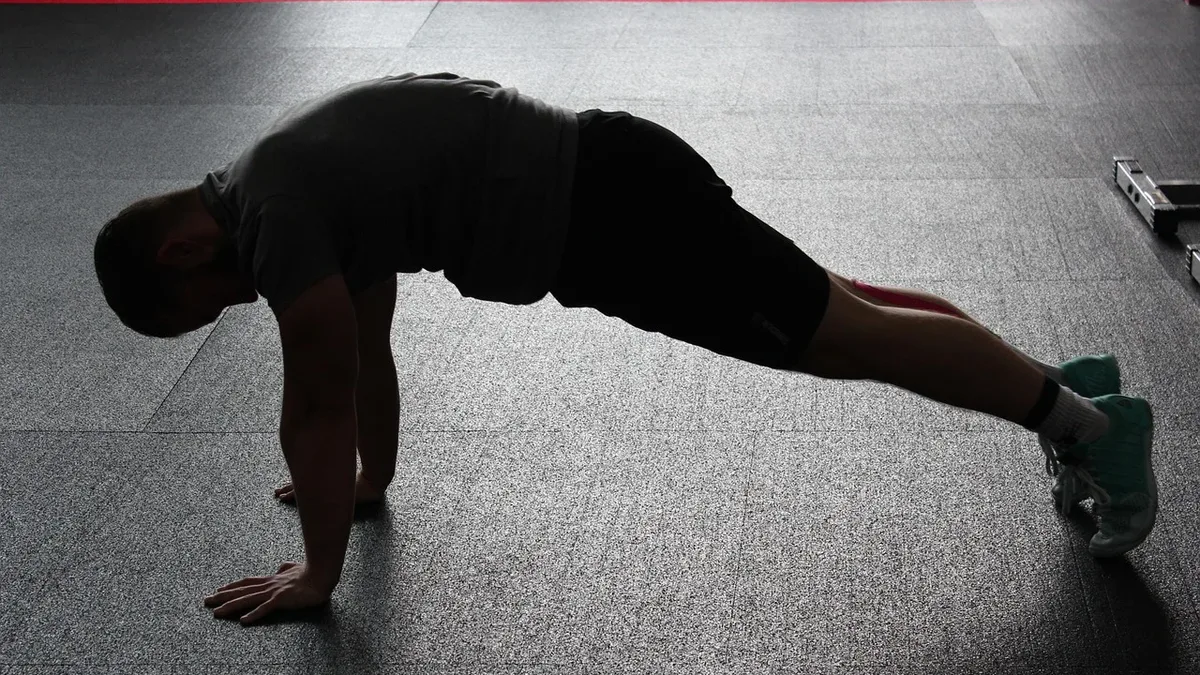
The monk plank challenge is an advanced plank variation that demands significant mobility, balance, strength, and stability. Fitness trainer Jenny McCoy, who writes for Outside, found she could not even get into the pose during her first attempt.
This challenging exercise starts from a runner's lunge. You hook your left arm around your front left leg, then shift your bodyweight forward as you raise your right back leg and right arm into line with your torso. Only your left hand and the ball of your left front foot touch the ground, meaning all your weight is supported by one side. The goal is to hold this position as still as possible before repeating on the opposite side.
Why It's So Difficult
It is way harder than it looks. First, you need good hip and ankle mobility just to get into the starting lunge. McCoy cites her own chronically tight hips as a limiting factor.
Next, you need serious strength in your glutes, legs, and core to lift and hold the back leg. Your hips naturally want to rotate, requiring rock-solid hip and core stability to prevent it. Ample shoulder and wrist stability is also necessary to support most of your bodyweight on one arm.
Finally, you need incredible core stabilization and mental focus to stay balanced. "It's one of the toughest poses I've ever held," fitness trainer Sajedeh Arefi wrote on Instagram. "Every second felt like a battle."
Benefits for Outdoor Athletes
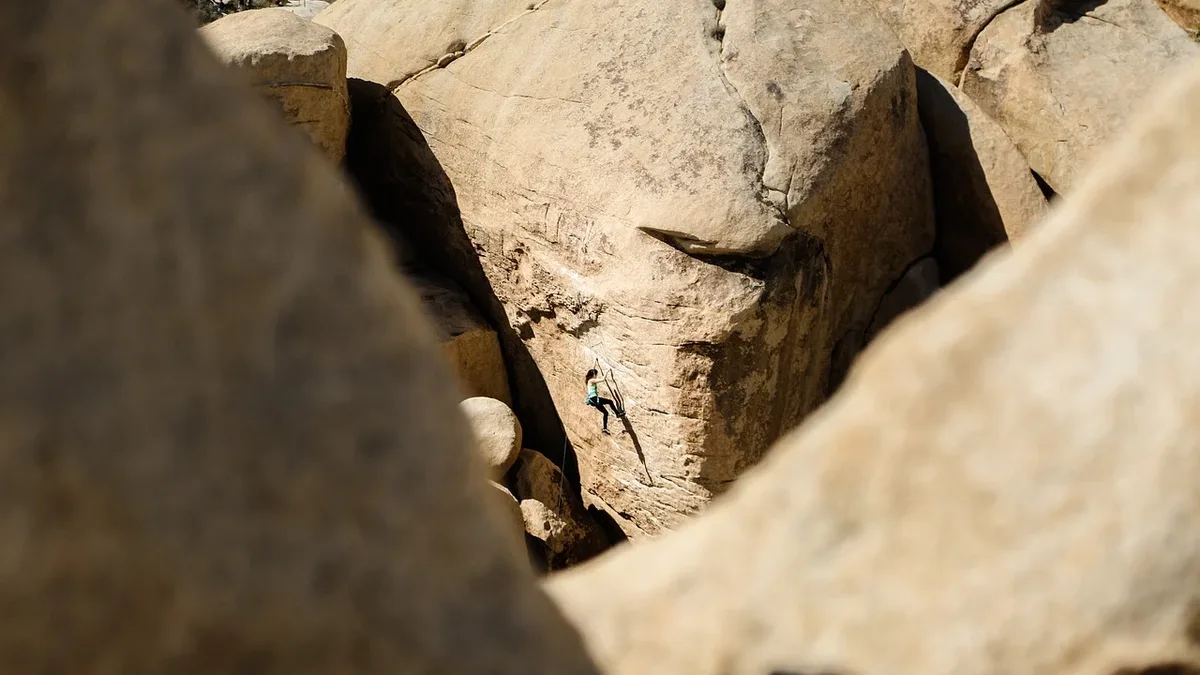
Completing the monk plank challenge regularly builds next-level core strength and stability. This benefits outdoor activities from hiking and trail running to climbing.
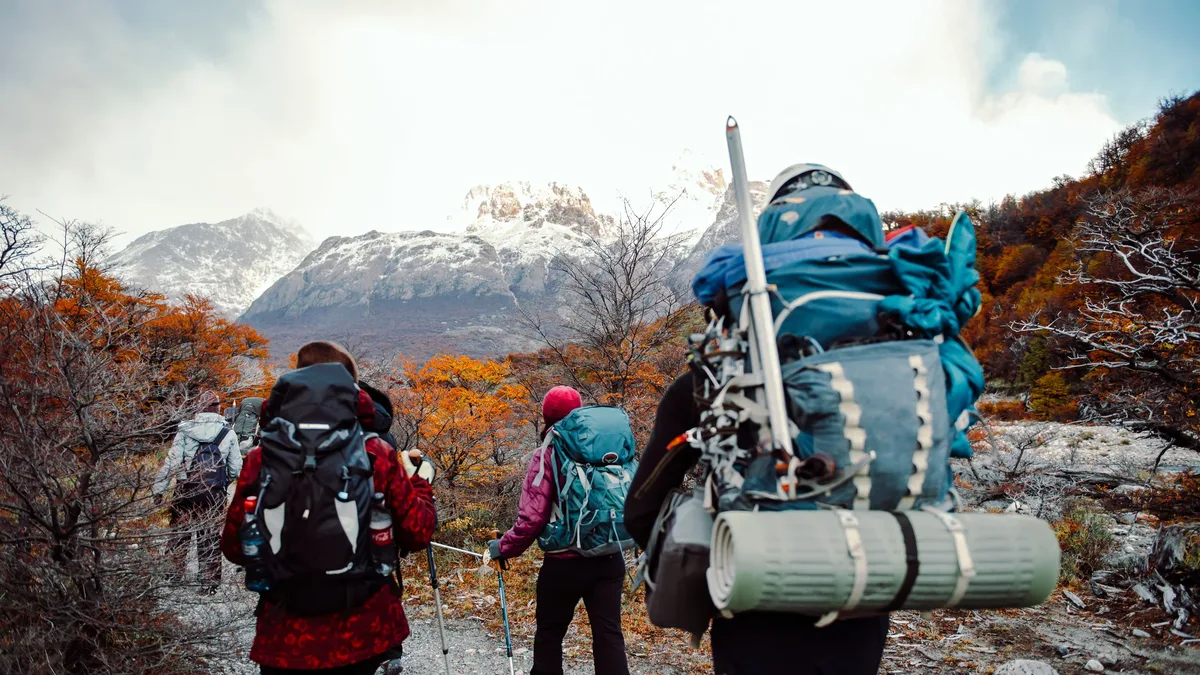
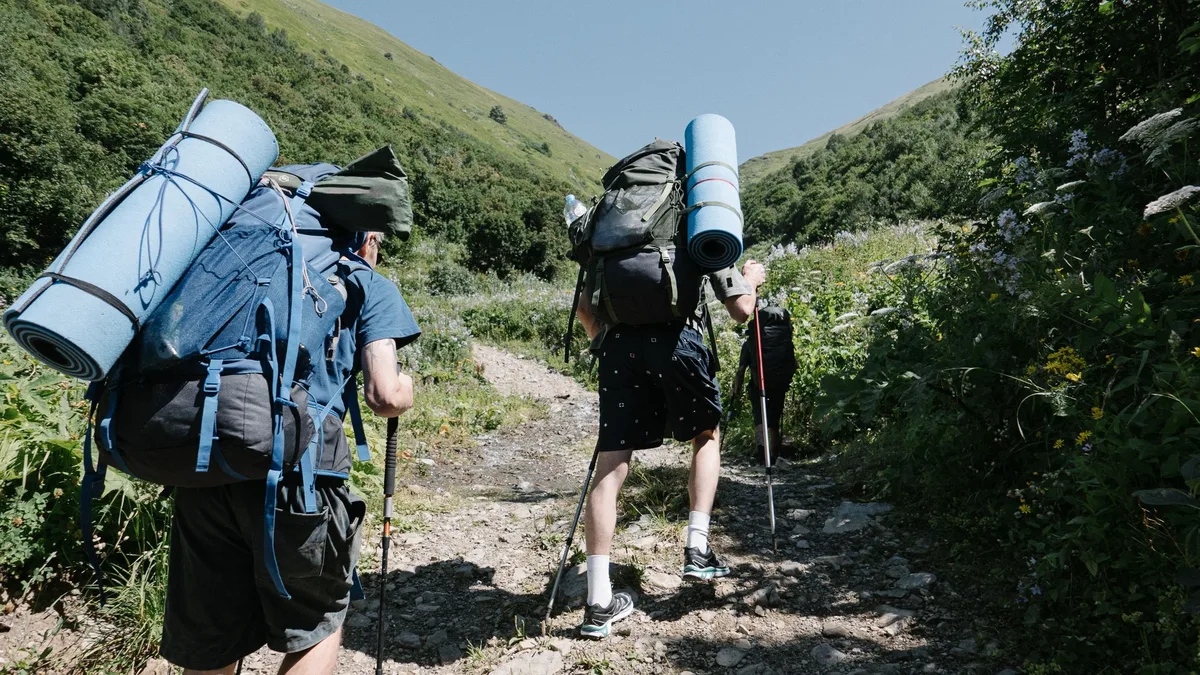
The pose activates the transverse abdominals. These core muscles act as a natural corset around your pelvis and spine, providing foundational stability. They help support the weight of a backpack and aid balance on skis. This core stability protects your spine during movement and allows efficient power transfer between your upper and lower body, propelling you forward on a trek or run.
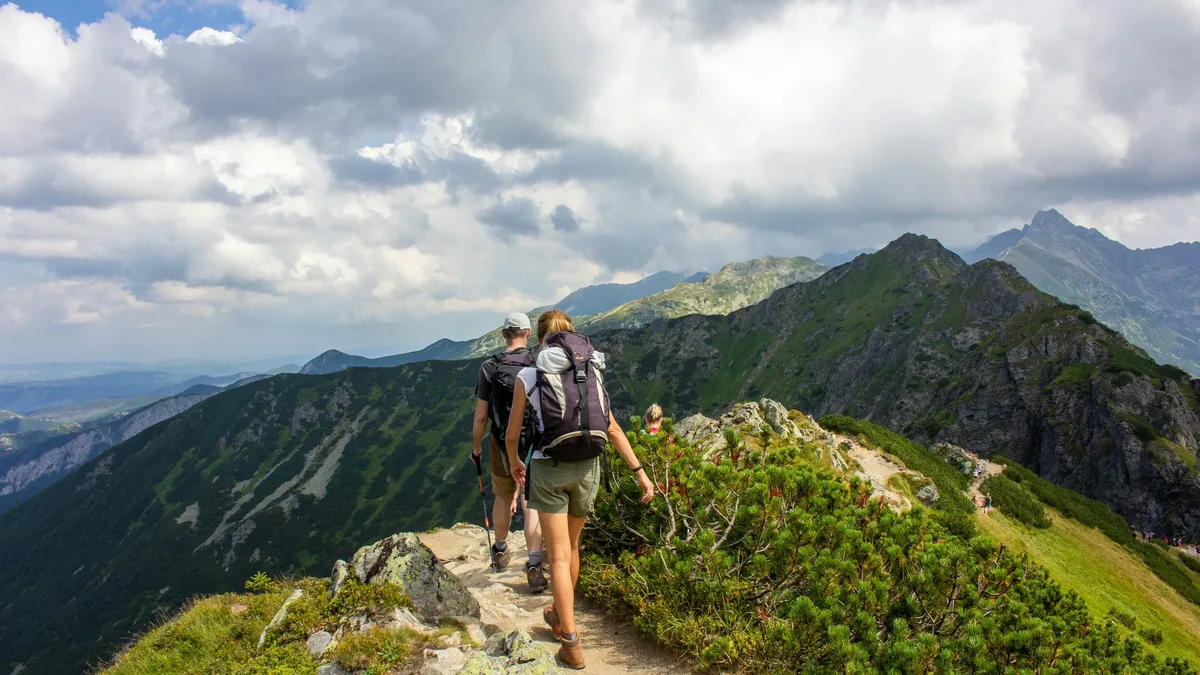
The move also develops stellar hip stability. This can reduce the risk of knee pain and injury during outdoor walking and running. While most people attempt it as a one-time challenge, incorporating it can build foundational strength useful for any route, whether you're checking fixtures for a local trail race or planning a multi-day thru hiking expedition. The stability gained is a key component of the skill demanded by technical terrain.
McCoy encourages giving it a shot, noting her own initial failure. The challenge exemplifies the type of focused, bodyweight training that can directly translate to better performance and resilience on the trail.