PCT Hiker Shares Period Management Tips
Abigail Basset recounts her 4.5-month, 2,650-mile PCT journey and how she handled menstruation, offering practical advice for hikers.
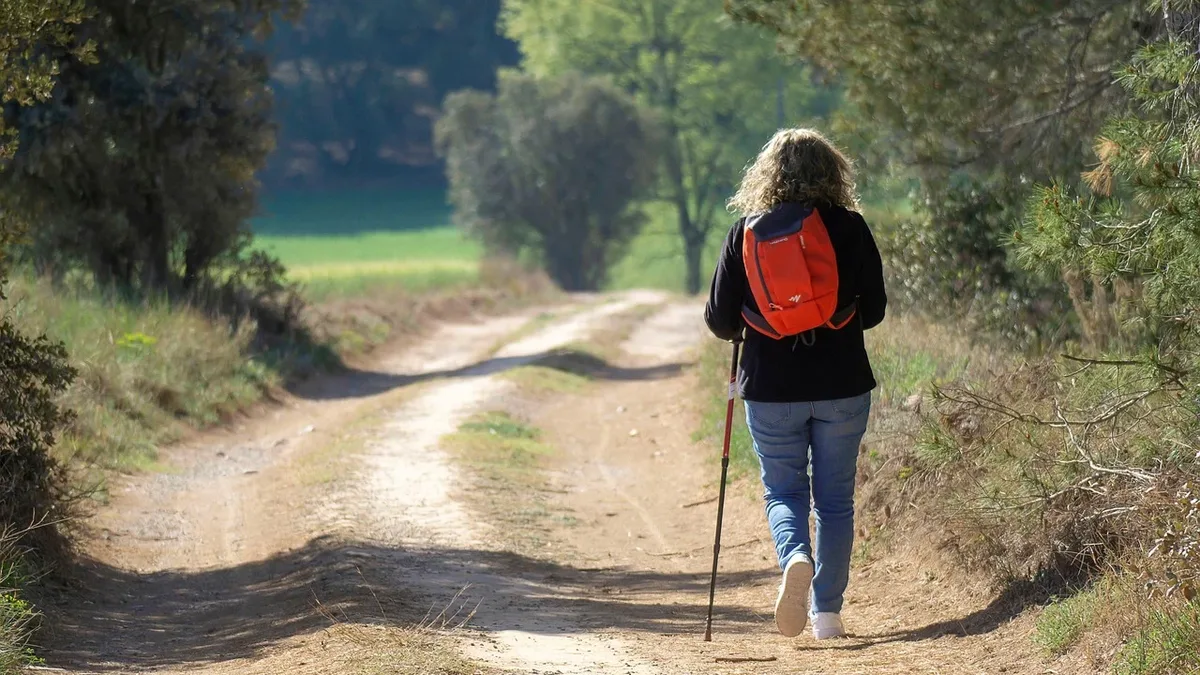
Abigail Basset, a PCT thru-hiker, shares her 4.5-month, 2,650-mile experience managing periods in the backcountry. She details the physical mishaps she endured-broken arm, bruised toe, deep blisters, severe sunburns, ankle rolls, and headaches-yet notes that painkillers were reserved only for cramps.
Expect the Unexpected
The most consistent advice from experienced hikers is also the least comforting: expect the unexpected. Laila Cohen (@lailarachel_) warned that a period could arrive early and hard, and that hikers might experience a cycle twice in a single month. Her caution should be posted at every trailhead: the trail does not care about your calendar.
Tracking Your Cycle
Many hikers find their periods stop altogether after the first month or two, as the calorie deficit and physical load signal to the body that now is not the time. A stopped cycle could be your body telling you something, often that you are not eating enough or that the load has become too much. Track it, fuel aggressively, and take it seriously. Some hikers who lost their period on the trail discovered significant nutritional deficiencies afterward, including low levels of iron, B12, and vitamin D. Discussing this with your medical provider prior to departing for the trail could help prevent some of these issues before they start. Check the stats for cycle patterns and join the squad of hikers who share experiences.
Cramps and Comfort
Cramps can go either way on trail. Some hikers find that constant movement eases them, while others find the opposite. Cailin Keenan, a nurse who submitted her story to the PCTA, described being “crumbled over in the desert, wracked with cramps, with a heavy flow when it is 100 degrees and bugs won’t stop harassing you.” One underrated culprit is the hip belt of a loaded pack sitting directly on your abdomen, which can make cramps meaningfully worse. On bad days, loosening the belt and shifting weight to your shoulders can get you through.
Community Support
Hiking, especially long-distance hiking, can already test emotional fortitude. When you are on your cycle, everything can become amplified. Sitara (@sitaraskhan) makes a practice of being open with their trail family about it: “I make sure to always share that I’m on my period, because it’s such an impactful thing that comes with pain, emotions, and fatigue.” Their tramily was always supportive, and the trail community tends to be. You do not have to white-knuckle through it alone. Cailin Keenan’s most memorable period story captures the whole experience. Racing to catch the morning ferry to a resort while cramping and emotionally wrung out, they made it, and then:
“I got my club sandwich at VVR, talked to my family on the phone, and watched the women’s Italian soccer game. I didn’t talk to anyone; I basked in my internal peace of having a real meal before me and a bathroom where I could wash the blood off my stained pants, have a door with privacy and running water to wash my hands. It’s amazing how you learn the luxury of the simple things in life.”