Documentary Investigates Mallory's 1924 Everest Summit Claim
The 2010 film 'The Wildest Dream' follows Conrad Anker's expedition to determine if George Mallory and Sandy Irvine could have summited Everest in 1924
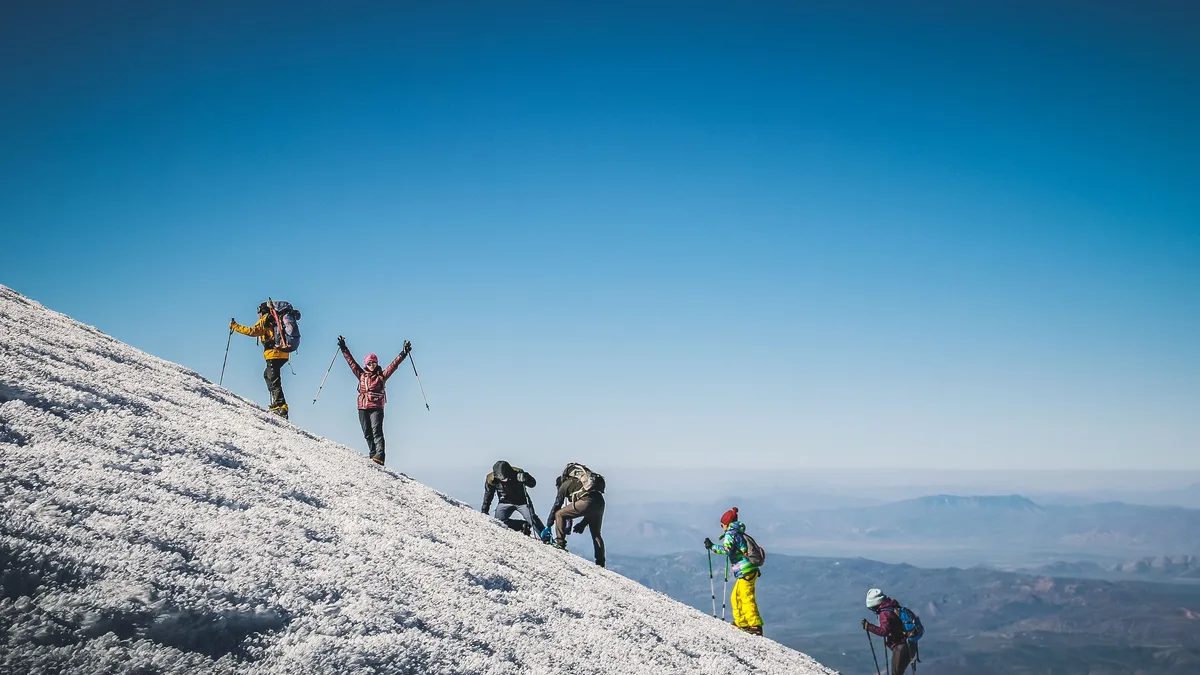
The 2010 documentary 'The Wildest Dream' examines the enduring mystery of George Mallory and Sandy Irvine's 1924 Mount Everest expedition. Modern climber Conrad Anker leads an investigative climb to assess whether the early 20th-century mountaineers could have reached the summit before disappearing.
The film intertwines the life story of Mallory with Anker's modern quest. In 1999, Anker discovered Mallory's frozen body on Everest, a find that provided closure to family members but also sparked a new debate. Mallory was found lower and east of his last known location, and the photograph of his wife Ruth, which he had promised to leave on the summit, was missing. To some, this evidence suggests he may have summited and died on the descent.
The Central Climbing Challenge
This theory hinges on a monumental feat: Mallory and Irvine would have needed to free-climb the notorious Second Step on the mountain's Northeast Ridge. The documentary's core follows Anker's attempt to recreate this climb using 1920s-era equipment to test its possibility. Anker's wife, Jennifer Lowe-Anker, who lost her previous husband in the Himalayas, voices her concern over the dangerous attempt.
For the historical recreation, Anker needed a partner to play the role of Sandy Irvine. He selected Leo Houlding, a talented young climber at the time but with no high-altitude experience. The pair struggled with the vintage gear, particularly the hobnail boots, and Houlding felt the effects of altitude by Camp 3.
Mallory's Life and Drive
The son of an English vicar, George Mallory began climbing as a teenager. After surviving World War I's Battle of the Somme and marrying Ruth Turner, he became fixated on Everest. Despite several prior expeditions and brushes with death, he joined the 1924 trip. Ruth Mallory did not want him to go, a fear that proved tragically correct.
By the point on their expedition equivalent to Anker's modern attempt, Mallory and Irvine had endured severe weather and fatalities. Irvine expressed fear for their lives, but Mallory, believing he could not bear another failed attempt, pressed on for a final summit push.
The Modern Summit Assault
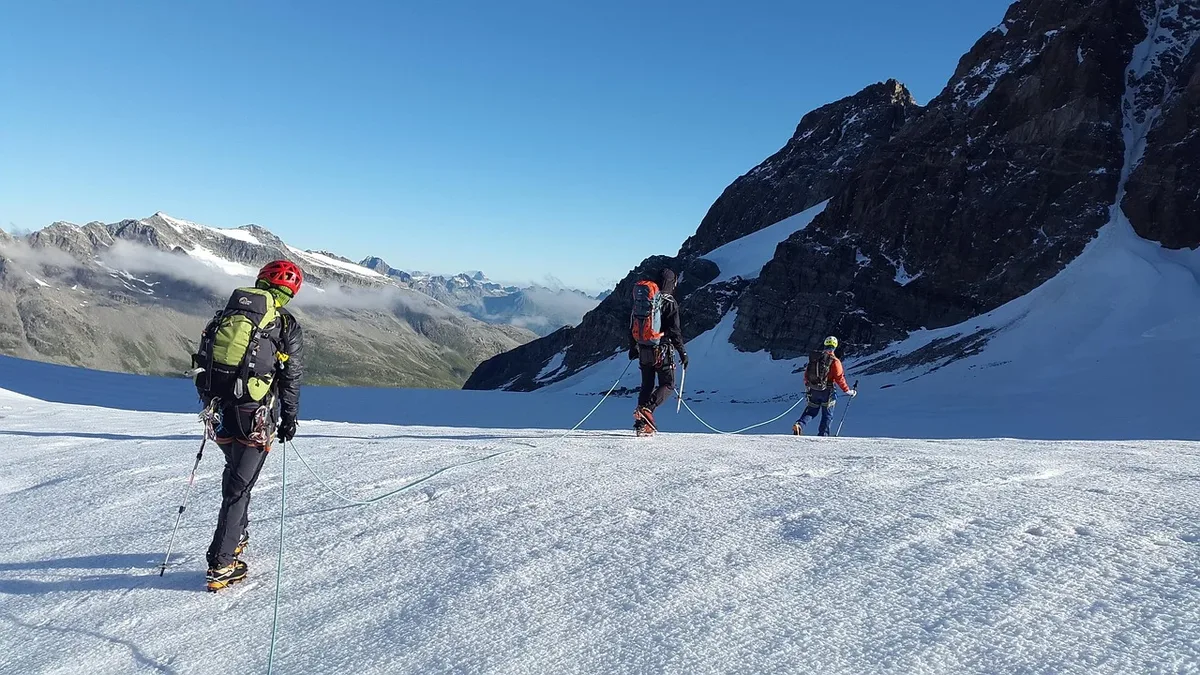
Anker and Houlding also faced a race against time, with the monsoon season threatening. For the key attempt on the Second Step, they switched back to modern gear. With the modern ladder and fixed ropes removed, they began their climb, passing the last known location of Mallory and Irvine.
Pushing through numbing cold and a near fall, Anker and Houlding successfully climbed the step and approached the summit. Reflecting on the climb, Conrad Anker stated he believed they had shown that those could have been Mallory and Irvine's final footsteps.